






Every time you’re asked whether you’d like to make your drink a large one, or upgrade to a foot-long, or would indeed like fries with that, the person asking the question is attempting to upsell.
Whether it's software, soda, or shoes, the methods are different, but the principle is the same: how can the value of this customer be optimized?
What is upselling?
First, though, let's explore what upselling is in the context of a product-led growth business strategy.
Upselling is a strategic sales technique where you encourage existing customers to purchase a more expensive, premium, or feature-rich version of the product or service they're considering. Think of it as helping customers unlock greater value by upgrading their initial selection to something more comprehensive.
In practice, it involves persuading the customer to trade up from their initial selection to something more valuable or comprehensive. Upselling is a win-win scenario when executed properly - the customer receives greater value and benefits, while the company generates more revenue per sale.
When implemented thoughtfully, upselling aligns the customer's needs and interests with the features and advantages of an enhanced offering. Rather than a heavy-handed tactic, it should feel like a natural progression that helps customers achieve their desired outcomes more fully.
The key is to identify opportunities where additional value can be unlocked through intelligent suggestions, education, and guidance. By presenting the right upsell at the appropriate moment, businesses open up new revenue streams while deepening customer satisfaction and loyalty.
The difference between upselling and cross-selling
While often confused, upselling and cross-selling serve different purposes.
Upselling means offering a better version of what the customer already wants — like suggesting a phone with 128GB storage instead of 64GB.
Cross-selling introduces complementary products, such as recommending a phone case with that new phone.
Both strategies work together to increase average order value, but upselling typically generates higher margins since you're selling premium versions of products customers already value. In SaaS environments, this might mean moving from a basic to a professional tier, while cross-selling could involve adding complementary tools or services.
When implemented thoughtfully, upselling becomes a win-win scenario. Customers receive enhanced value and capabilities that better meet their needs, while your business generates more revenue per customer. The key is ensuring your upsells genuinely solve customer problems rather than just padding your bottom line.
10 upselling techniques and strategies
1. Understand the individual customer
Each customer has a unique set of needs. Having a one-glove fits all upselling strategy is a sure-fire way of missing out on increased sales. Not only does tailoring each product to each customer naturally increase your chances of upselling, but it shows an amount of care for the customer.
By valuing the customer’s individual needs, in turn, this value is more likely to be reciprocated with a customer feeling confident in purchasing your firm’s product. Win-win.
2. Sell concepts
Upselling in the McDonald’s model is simple. Want a burger? Have some fries and a coke for $2 more. The obvious goal is to satisfy your hunger; no one needs that explained to them.
Selling something like software can be more complex.
Each upsell needs to be embellished in the context of a goal, with your advanced product being the key to achieving it. Rather than listing off all the benefits of your product, look at the business’ potential growth areas and focus on the exact way your product can be implemented to smash those targets.
It might sound simple, but contextualising your extended features can really help you sell the bigger package.
 Makayla Bowler
3. Add a timeframe
Adding a ‘limited-time only’ badge can give prospects and customers a sense of urgency. If the purchasing of the expanded package seems like a decision that could be made later down the line, people are less likely to opt-in.
It’s the equivalent of asking customers if they’d like a little something extra at the till of a shop, there’s that sense of being ‘in the moment’ to catch a great deal. The moral of tip #3? When used subtly, a timeframe on the benefits of your promoted package can help secure a deal.
4. Prompt upgrades in-app
When the selling of the initial version of your product is complete, the upsell doesn’t have to take place immediately. If the user engages with your product and are then met with the option for extra features whilst exploring it, they’re more likely to invest in the bigger deal.
For example, Spotify allows everyone to listen to music free, but if you’d like to skip more than six songs an hour, they introduce the premium upgrade package. This can work in B2B as well, with extra features like emailing client bases with an in-app format as an extra feature.
 Sendbird
5. Upsell more than just your freemium customers
Whilst the freemium model provides the perfect platform to upsell, giving paying members the same amount of attention to upgrade their package can be the perfect way to further boost their value.
If you’ve sold them the middle-tier package, remind them of the benefits of upgrading to the top-tier and how that could positively impact their business.
6. Follow up
Hitting 3-pointers is great, but following up for that rebound gets points on the board too. In the case of upselling, following up a regular sale with an email can be an effective way of persuading a customer that, whilst they’ve got a great product, what they could have is even better.
Highlighting how each feature can improve on the success they’ve already achieved with your product is a clear and simple method to use follow-up emails to great effect.
Wilt Chamberlain racked up 23,924 rebounds in his career, just think of how many upsells you could be getting if you follow up every attempt with a phone call or email.
 Rebecca Madro
7. Give your clients a choice
Each business is different and offers a range of services, so giving your customers the choice of several expansion packs allows for greater freedom in their decision-making. So, with that said, giving people a choice in the pricing of the upgrade is a great way to upsell.
For example, WordPress offer their free service, a cheap starter package, a middle-tier for personal blogs and then the premium package for businesses. Creating choice for your customers instils further confidence in your services.
8. Price your packages accordingly
Should an upsell result in doubling the customers value? Probably not. According to Bitcatcha, upsells shouldn’t be more than a 40% increase in the price of the product. If 40% is your premium tier package, the initial upgrade should be in the region of 25% estimates Retail Doctor.
Pricing your upsells sensibly will entice customers to spend more, instead of deterring them away with huge increases in their subscriptions.
 Product-Led Alliance
9. Take a multifaceted approach
If you make upselling the goal of not just your sales team, but the customer success team, and get your social media aficionados on message, then your outreach is going to be maximised. Advertising your premium features on social media can be a powerful draw for both new and existing customers to increase their subscription package.
Take YouTube, for example, which advertises its premium membership with emails, across multiple social media platforms, as well as on its own turf. Create ‘message abundance’ with each team focusing on maximising customer value.
10. Act natural
Upselling shouldn’t be a drag or feel like a con. Streamlining your products before you sell them into an upselling format will make the process so much smoother.
Factoring in the upsell into your initial packaging of your product by offering free subscriptions or trial periods enhances your chances of increasing customer value further down the line, as opposed to dropping increased subscription fees on unsuspecting customers.
 Karapet Gyumjibashyan
Common upselling mistakes to avoid
Pushing too hard, too early
The fastest way to lose a customer? Aggressive upselling before they've experienced value.
Let new users explore your product and achieve initial success before presenting upgrades. Amplitude’s Product Report discovered that users who reach their aha moment early are four times more likely to convert to a paid plan. So give customers space to find value before you pitch the upgrade.
Ignoring usage data and timing
Random upsell attempts annoy customers and waste opportunities. Use product analytics to identify optimal timing based on feature usage, login frequency, and goal completion. The best upsells feel helpful, not sales-y, because they arrive exactly when customers need them.
 Rebecca Madro
Offering irrelevant upgrades
Generic "upgrade now" messages ignore customer context. A solo freelancer doesn't need enterprise features, just like an enterprise won't care about individual productivity tools. Segment your upsells based on company size, industry, and actual usage patterns to maintain relevance and trust.
Neglecting customer success metrics
You can't improve what you don't measure. Track conversion rates, time-to-upgrade, and customer satisfaction scores for your upselling efforts. These customer success metrics reveal which approaches work and which fall flat — helping you optimize your strategy based on real data, not assumptions.
 Amelia Wilson
Making upselling work in your PLG strategy
Remember, upselling doesn’t have to be a sleazy tactic to squeeze every ounce of cash out of people.
It's a natural extension of product-led growth. When done right, upsells help customers achieve greater success while growing your business sustainably. The key is letting your product guide the process through intelligent design and timely interventions.
By focusing on the benefits to each customer of selling each specific extended feature you enable the best outcome for both parties. Start with one or two techniques that align with your current customer journey. Measure results, iterate based on feedback, and gradually expand your upselling program.
Remember, the best upsells feel like helpful suggestions from a trusted advisor.
Want to master advanced product-led growth strategies beyond upselling?
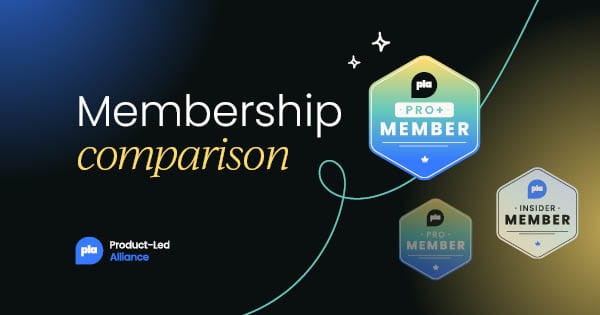
Accelerate your career with Pro+ Membership and unlock 10+ certifications, 60+ templates, and exclusive access to PLG experts who've scaled companies like Google, LinkedIn, and Salesforce.
Join our network of product professionals already transforming their careers.


Become a PLA Insider
Thank you for subscribing
Get exclusive insights, frameworks, and strategies from product leaders driving real business impact.
An email has been successfully sent to confirm your subscription.
 Follow us on LinkedIn