
Your engineering team ships features at lightning speed. Your deployment frequency keeps getting shorter. AI helps you generate thousands of lines of code.
Yet somehow, despite all this efficiency, your products still miss the mark.
Most companies don't actually have a delivery problem anymore. We've cracked that code. Cloud infrastructure, modern tooling, AI coding assistants... we've got it all figured out.
The real bottleneck is understanding what to build and who we're building it for.
The disconnect between teams and customers
I've watched engineering teams pour weeks into features that should never have seen the light of day. They built them efficiently, shipped them fast, and celebrated the launch. But here's what really gets me: everyone's working incredibly hard, yet they're often building in completely different directions.
Product managers think they understand their customers. Engineers build what they believe users want (or what product managers told them users want). Sales promises features that never get built. And marketing creates campaigns that completely miss the target persona.
Everyone's busy. Everyone's trying. But nobody's truly connected to the actual people using the product.
Why we keep getting customer needs wrong
You know what fascinates me? Product teams consistently assume customers want to be unique and different. That's why we build products packed with customization options, personalization features, endless toggles, and settings.
But we’re wrong – most people want to belong. They want to fit in, to be part of something larger. This fundamental misunderstanding drives countless poor product decisions.
We also convince ourselves that building a slightly better product will make customers switch. We forget about switching costs – not just financial ones, but the mental load of learning new workflows, the risk of trying something unproven, the effort of migrating data.
Slightly better isn't enough. It never has been.
And then there's our obsession with shipping features. We celebrate every launch, no matter how minor. Each new capability feels like progress, like we're delivering value.
But when surveys consistently show that most features go unused, we need to face the music: we're wasting development time, adding maintenance overhead, and UI complexity that makes our products harder to use.
 Rebecca Stewart
My wake-up call at Deepnote
Before joining my current role at Productboard four years ago, I led product at Deepnote, an early-stage data science and analytics tool. The engineers there talked to users, which was great. But… they only talked to users to validate ideas they already had.
As I dug deeper, I discovered we had no real understanding of customer segmentation. Our horizontal tool served multiple segments: students, professors, hobbyists running personal data analyses, and enterprise organizations. Three guesses as to which segment actually paid the bills?
So, we flipped our entire approach. Instead of building for everybody (which really means building for nobody), we created a system.
This involved:
- Identifying who our customers actually were.
- Measuring product-market fit for each segment.
- Segmenting based on user needs.
- Creating our first voice of the customer summary.
These things might sound obvious, but for a team that had been heads-down shipping features and celebrating their velocity, it was eye-opening.

The challenges of enterprise focus
We decided to double down on enterprise organizations. It was deeply uncomfortable for our young team.
Most had never worked with enterprise customers before. Sure, they had natural empathy for students – they had, of course, not long been students themselves. They were all data science hobbyists. But this enterprise segment that could potentially make the product successful? That was foreign territory.
But we pushed through the discomfort. Within weeks, we saw more qualified leads, higher activation rates, and closed our first six-figure deal. The energy shift was palpable.
Looking back, we shipped many valuable things during that transition. But the main learning? We could have avoided so many mistakes. Because here's what I realized: speed doesn't fix stupid.
Moving faster in the wrong direction doesn't get you closer to your destination. It gets you more lost, more quickly. Before optimizing for speed, pause.
Check your direction. Make sure you understand your customers and have clarity on what problems you're solving.
 Hubert Palan
What true customer centricity looks like
Everyone claims to be customer-centric. But it's not about running surveys or conducting user interviews or tracking customer success metrics. True customer centricity goes much deeper.
It's about building a system, creating credibility, and shaping how your organization operates. For every single thing you ship, you need to systematically capture three elements:
- Who are you building for? Be precise about the segment. Not "our users" or "enterprise customers," but specific, behavior-based segments.
- What do they need to do? Not what feature they want, but what outcome they're trying to achieve. We're all buried in user stories that describe solutions, not needs.
- How much better must your solution be? Your customers don't live in a vacuum where your product is their only option. How will you compete? Where will you be best-in-market versus just good enough?
The companies that excel don't just nail one piece of this puzzle. They ensure everyone – engineering, product, marketing, sales – is united around these three elements. That's when magic happens.
 Rebecca Stewart
Building systematic customer understanding
At Productboard, we have a framework called Product Excellence with different maturity stages. What I'm describing is the final stage, where you face the final boss and achieve enlightenment.
Most organizations are only halfway there, if that. The bigger the organization, the more layers between you and your actual customers.
The best organizations don't stumble into customer centricity by accident. They build systematic processes and establish rituals that help them operate in a customer-centric way.
They also think carefully about organizational structure – something product ops often overlooks, which is a huge miss. The world moves too fast to stay in our current trenches.
Deep customer behavior understanding
The best teams understand their customers deeply – existing customers, churned customers, prospects, and even non-customers in their target audience.
While many organizations focus on demographics and firmographics (comfortable territory for sales, defining their ICP), best practices go deeper into behaviors.
Take AI adoption as an example. Where are your customers on that journey? Are they buried in compliance and legal concerns? Do they want to use it? How do they feel about it? Are they worried about AI replacing their jobs? These behavioral insights matter far more than company size or industry vertical.
Systematic needs identification
The best teams maintain a pulse on all customer feedback channels. The challenge isn't collecting feedback, it's distilling actionable insights from the noise. This requires systematic approaches to synthesis and pattern recognition.
Competitive intelligence beyond features
Most teams rely on closed-lost notes to understand competition. But it goes deeper than feature comparisons.
- What customer segments do your competitors target?
- How do they position themselves?
- What switching costs do they create?
Product marketing can help tremendously here. Product ops doesn’t need to take on all these responsibilities alone.
 Hubert Palan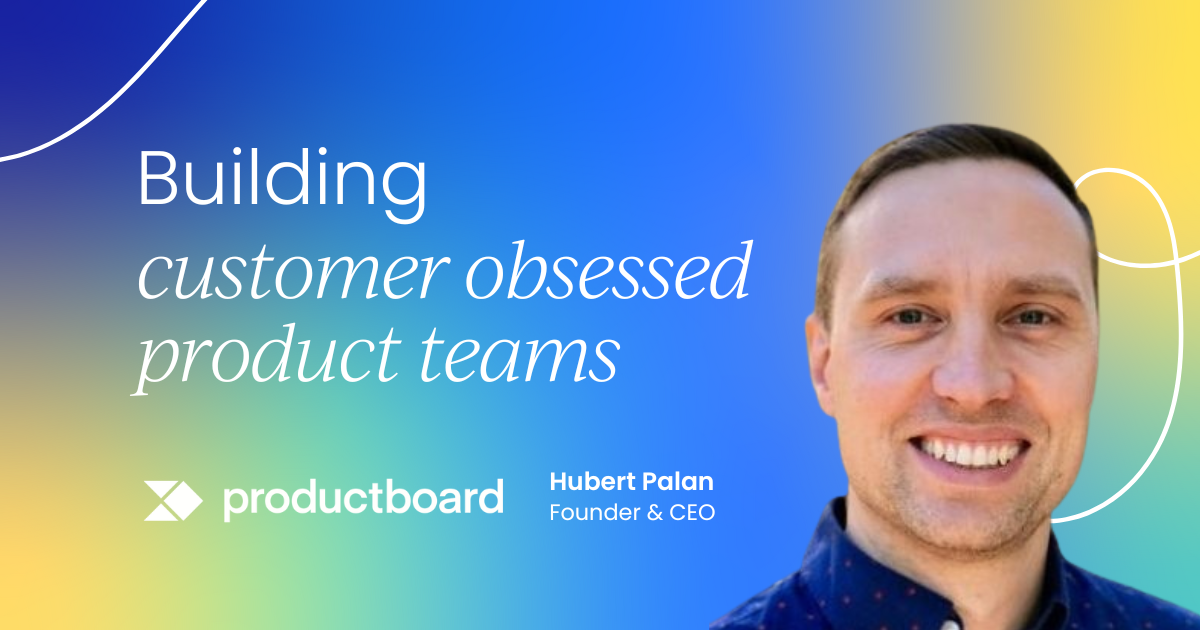
Embedding customer obsession in your org
Product operations teams shouldn’t try to instill this alone – partner with product leadership and educate product managers to ensure it sticks.
Rather than hoping teams remember to be customer-focused, you need to embed it into your organization's DNA.
Here's your checklist:
Standardize segmentation criteria
Don't just keep segmentation in product documents. It needs to live in your CRM, customer success systems, and product management tools.
Make it accessible so teams can slice and dice feedback and solutions by meaningful segments.
Define your core segment
Pick one primary segment. If you have more, you're not focused – you're diluted. Go beyond demographics and understand behaviors, beliefs, and attitudes.
Remember that King Charles and Ozzy Osbourne might share demographics, but their behaviors and beliefs couldn't be more different.
Establish a living voice of customer program
Don't share reports and assume people will read them. They'll throw it into ChatGPT, get five bullet points, and move on. Instead, create live sessions where product teams can ask questions, challenge assumptions, and internalize insights.
You'll quickly discover that sales, customer success, and product often have vastly different understandings of the same customers.
Create competitive intelligence rituals
Schedule regular competitive reviews. Do mystery shopping of competitors and run teardown sessions. Do the same for your own product – sign up as a new user, go through the entire experience.
It's uncomfortable but enlightening. Gather a group, have some laughs about the absurdities you find. It's a great way to find common ground and identify real problems to solve.
Track customer context systematically
For every piece of product work, systematically track: who you're building for, what they need to do, and how much better your solution needs to be than alternatives. Make these fields required in your initiative briefs and user stories.
 Martin Felcman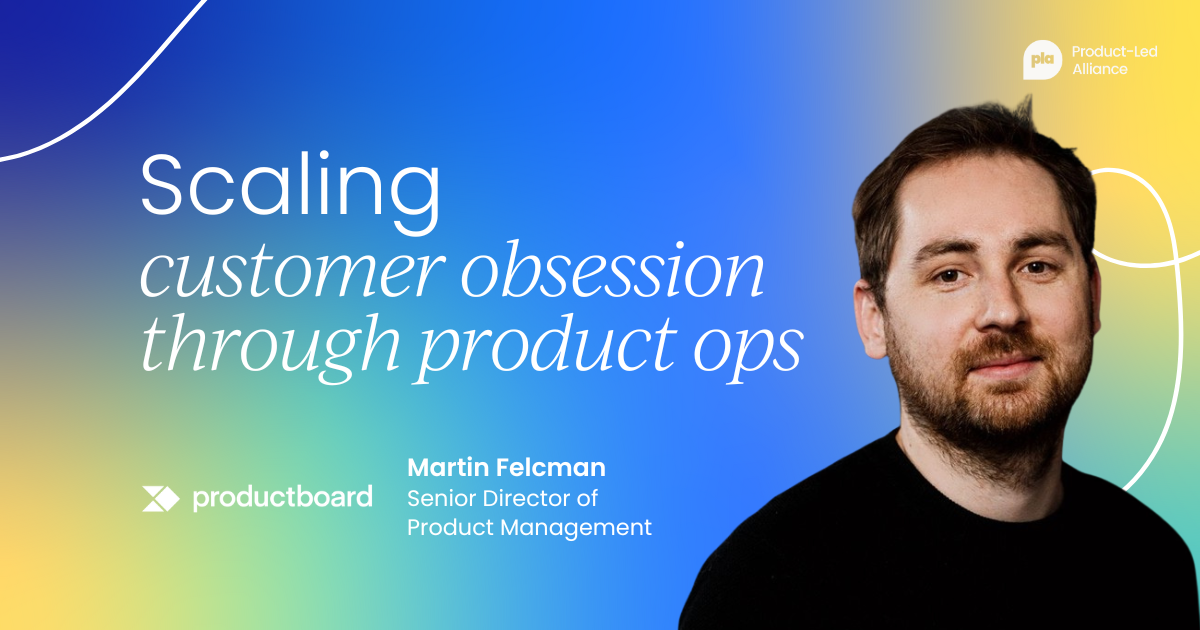
Where AI comes in
AI has been fantastic for synthesizing unstructured customer data that human analysts would miss or ignore due to volume. It's great at identifying patterns and monitoring competitive intelligence.
But context matters. AI is a powerful tool, not a replacement for human judgment. You still need to build empathy for customers and help teams understand behavioral nuances. AI doesn't grasp these subtleties. Instead, it gives you formatted results; you need the human connection to interpret them meaningfully.
Use AI to be ten times faster and better at what you do, but maintain that crucial customer connection. I promise you, your teams will thank you, and, perhaps more importantly, your customers will thank you.
You'll move from guesswork to clarity, from opinions to alignment, from rushing through work to making decisions that truly matter.
Making it stick
The transition from feature-focused to customer-obsessed isn't comfortable. Your team might resist, especially if they're used to celebrating velocity and feature launches. But the payoff – in terms of product-market fit, customer satisfaction, and business results – makes the discomfort worthwhile.
Start small. Pick one initiative and apply these principles rigorously. Show the impact. Build momentum. Soon, thinking in terms of customer segments, needs, and competitive positioning becomes second nature.
The teams that win aren't the ones that ship fastest – they're the ones that ship the right things for the right people.
That's the difference between being busy and being effective.
Sponsored by:


Become a PLA Insider
Thank you for subscribing
Get exclusive insights, frameworks, and strategies from product leaders driving real business impact.
An email has been successfully sent to confirm your subscription.
 Follow us on LinkedIn